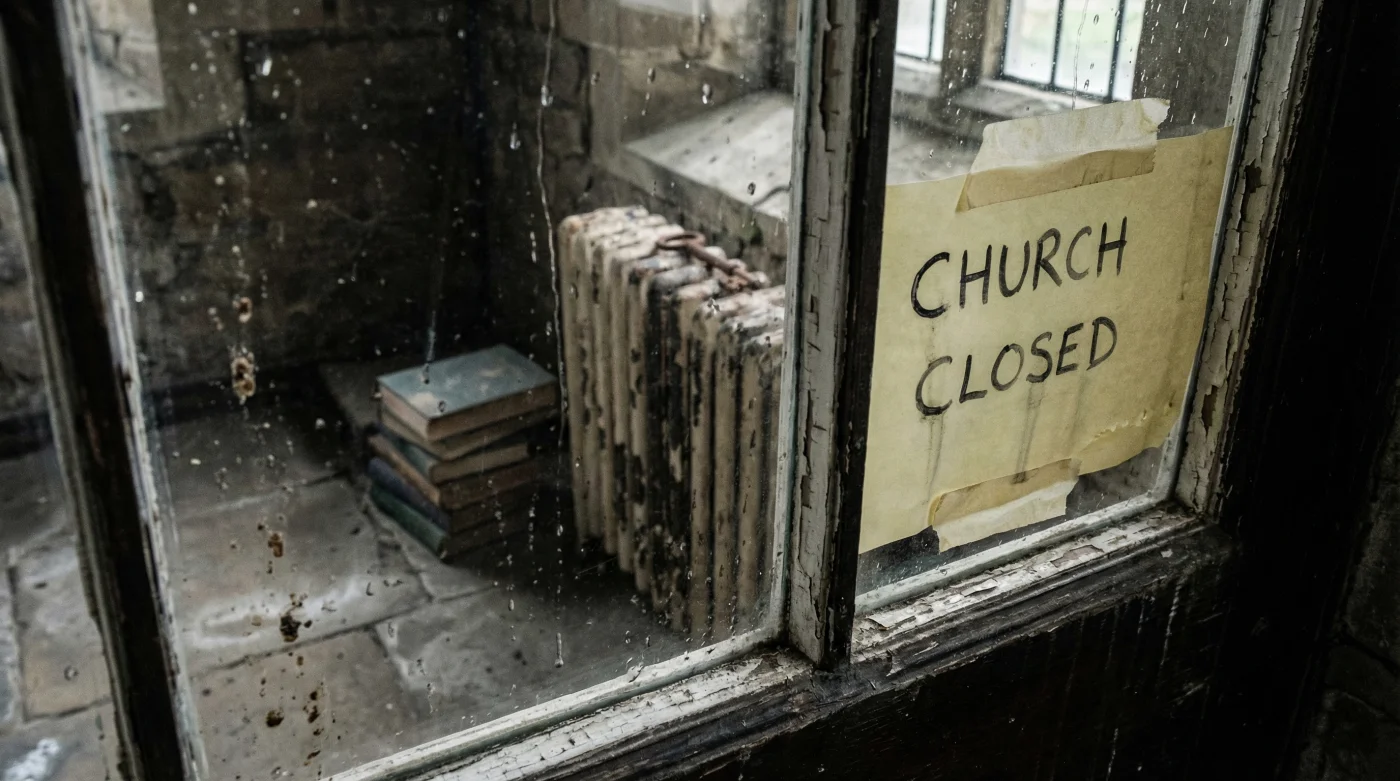
The landscape of the British countryside has always been punctuated by its iconic architecture. For centuries, the local village spire has been the permanent compass point of rural British life, guiding not just physical travellers but the moral and social rhythm of the entire parish. Yet, a quiet and unprecedented collapse is currently reshaping the countryside, stripping tight-knit communities of their most historic and relied-upon infrastructure. This month, rural building closures within the Church of England have hit a historic high, surpassing all previous modern records and leaving quintessential parishes locked, silent, and swiftly prepared for the auction block.
While declining Sunday attendance is the convenient headline many cultural pundits cite, the true catalyst behind this sweeping and aggressive sell-off is a hidden structural and financial shift that heritage experts have watched brewing for over two decades. Beneath the surface of this institutional retreat, a surprising alternative is thriving, forcing local residents, parish councils, and historical societies to radically rethink what truly makes a community hub survive in the highly demanding modern era.
The Record-Breaking Reality of Parish Closures
The sudden acceleration of historical building sell-offs is not merely a passive symptom of modern secularisation; it is an aggressive, complex financial restructuring happening at the absolute highest levels of the institution. Dioceses across the United Kingdom are currently facing insurmountable, multi-million-pound maintenance backlogs for Grade I and Grade II listed buildings. The sheer weight of replacing stolen lead roofs, repairing crumbling medieval stonework, and upgrading archaic heating systems has pushed administrative bodies to liquidate property assets at an unprecedented velocity to protect their core investments.
Community Impact: What is Truly Being Lost?
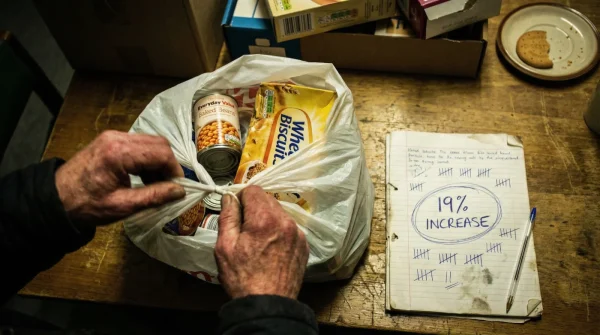
When a parish formally closes its doors under the Pastoral Measure 2011, the socio-economic ripple effects extend far beyond Sunday morning worship. The village invariably loses its designated food bank collection point, its emergency flood meeting hall, and its primary focal point for collective community grief, celebration, and long-term historical continuity.
| Community Function | Traditional Parish Role | Post-Closure Reality |
|---|---|---|
| Social Cohesion & Demographics | Central, free-to-access gathering space seamlessly bridging elderly and young residents. | Fragmented meetings in expensive private venues; severe social isolation for the rural elderly. |
| Architectural Heritage Preservation | Maintained actively through diocesan grants, local tithes, and historical trusts. | Sold to private luxury developers; public access to internal heritage is instantly and permanently revoked. |
| Charitable Outreach & Support | Logistical base for local food banks, debt counselling, and winter crisis support networks. | Relocated 10 to 15 miles away into urban centres, drastically reducing vital rural accessibility. |
As these traditional, centuries-old anchors systematically vanish from the map, rural communities are forced to rapidly adapt their infrastructure or face total social fragmentation.
The Data Behind the Disappearance
- Apple Focus Mode customisation eliminates Sunday morning digital service distractions
- Neurologists warn evening melatonin gummies disrupt essential deep spiritual rest
- Starling Bank Spaces automatically capture forgotten monthly tithe budget allocations
- Sugary electrolyte powders actively destroy the metabolic benefits of fasting
- British Museum curators authenticate previously dismissed first century manuscript fragments
The Hard Numbers: Tracking the Institutional Exodus
| Time Period | Average Annual Rural Closures | Primary Institutional Reason Cited | Percentage Sold to Private Buyers |
|---|---|---|---|
| 1990-1999 | 20-25 properties per year | Gradually declining attendance and aging congregations | 45% (Often retained partially for community use) |
| 2000-2010 | 30-40 properties per year | Severe clergy pension deficits and recruitment shortages | 60% (Increasing push for luxury residential conversions) |
| 2020-Present | 60+ properties per year (Historic High) | Completely unviable maintenance costs and critical structural failures | 78% (Aggressive institutional push for maximum capital return) |
To truly comprehend the deep mechanics of this rural crisis, we must look at the specific, measurable diagnostic indicators that signal a parish is on the absolute brink of permanent closure and asset liquidation.
Diagnostic Checklist: The Warning Signs of Imminent Closure
- Symptom: Sunday services reduced from weekly to merely once a month. = Cause: Severe systemic clergy shortages forcing single vicars to frantically manage ‘mega-benefices’ consisting of up to ten vastly spread-out rural churches.
- Symptom: A blue waterproof tarpaulin remains secured on the nave roof for over six consecutive months. = Cause: Totally depleted Quinquennial Inspection repair funds and consecutively denied national heritage grant applications.
- Symptom: The sudden, urgent formation of a ‘Friends of St. [Name]’ preservation charity by the parish council. = Cause: The regional diocese has officially designated the building as financially unviable behind closed doors, strategically shifting the immense financial burden entirely to untrained local villagers.
- Symptom: Winter services are consistently relocated to the tiny vestry or the local village pub. = Cause: The core boiler apparatus has suffered a catastrophic failure requiring upwards of £30,000 to replace, which the shrinking parish simply cannot raise.
These precise metrics paint a bleak and unforgiving picture for historic conservation, yet they concurrently highlight the exact geographic areas ripe for an entirely new wave of independent spiritual and social revival.
Navigating the Transition: What Happens to the Buildings?
As the Church of England rapidly divests itself of these crushing financial liabilities, the historic properties enter a highly controversial and incredibly lucrative real estate pipeline. A vast majority are converted into stunning luxury residential homes, commanding millions of Pounds Sterling on the open market, while a remarkably fortunate few are rescued by heavily funded local community trusts and converted into dynamic social enterprises.
The Rise of Agile Independent Ministries
Fascinatingly, the spiritual and communal void left by the retreating institutional church is not remaining empty for long. Independent, non-denominational ministries operating out of retrofitted village halls, converted agricultural barns, and modern community centres are reporting explosive, unprecedented growth. Unburdened by the crushing, constant cost of maintaining 800-year-old Grade I stonework, these agile and highly adaptable groups are reinvesting their substantial capital directly into frontline community action rather than endless roof repairs. These modern congregations often gather in civic centres, utilising modern technology and contemporary structure to draw in younger demographics that have long abandoned the traditional Sunday services. By removing the geographical and financial anchor of a crumbling building, they have inadvertently discovered a highly mobile, socially engaged form of community outreach that is sweeping across the shires.
A Quality Guide to Church Conversions and Sales
| Buyer Profile | What to Look For (Crucial Indicators of Success) | What to Avoid (Critical Red Flags) |
|---|---|---|
| Private Property Developers | Ironclad legal commitment to preserving in situ architectural heritage like historic stained glass and original timber frames. | Immediate planning applications to heavily partition the open nave, lower the ceilings, or remove ancient public graveyard access routes. |
| Local Community Trusts | Crystal clear, heavily audited business plans involving sustainable multi-use spaces (e.g., integrated cafes, remote co-working hubs, community post offices). | Dangerous over-reliance on aging, seasonal volunteers without a robust £50,000+ emergency maintenance capital fund securely in place. |
| Independent Ministries | Heavy, upfront investment in efficient modern heating (e.g., targeted infrared panels) and fully accessible, flexible seating arrangements. | Blindly attempting to replicate the previous, failed traditional high-church model without securing adequate, guaranteed local footfall first. |
Understanding these complex transition pathways and legal mechanisms is absolutely critical for any rural resident currently watching an ominous ‘For Sale’ board go up directly outside their local spire.
Preserving the Village Soul
The visual and cultural transformation of the British countryside is now practically inevitable, but the permanent loss of local community spirit certainly is not. Legal experts and rural sociologists strongly advise that locals must proactively and aggressively engage with the bureaucratic consultation process the exact moment a church is officially earmarked for potential closure. By intelligently leveraging community ‘Right to Bid’ legislation and registering the building as an officially recognised Asset of Community Value (ACV), villages can occasionally pause accelerated private sales to desperately raise the required funds.
While the historic high in architectural closures undeniably marks a sobering, definitive end of a chapter for the Church of England, it also serves as a powerful and necessary catalyst for long-overdue change. It forcefully demands that rural communities finally step out of the passive pews and take active, fiercely independent financial ownership of their local heritage and their collective future. The long era of the centrally funded, passively maintained village hub is officially ending, making vital way for a new, radically self-sufficient approach to rural British survival, ensuring that even if the physical spire eventually goes dark, the community itself remains brightly illuminated.