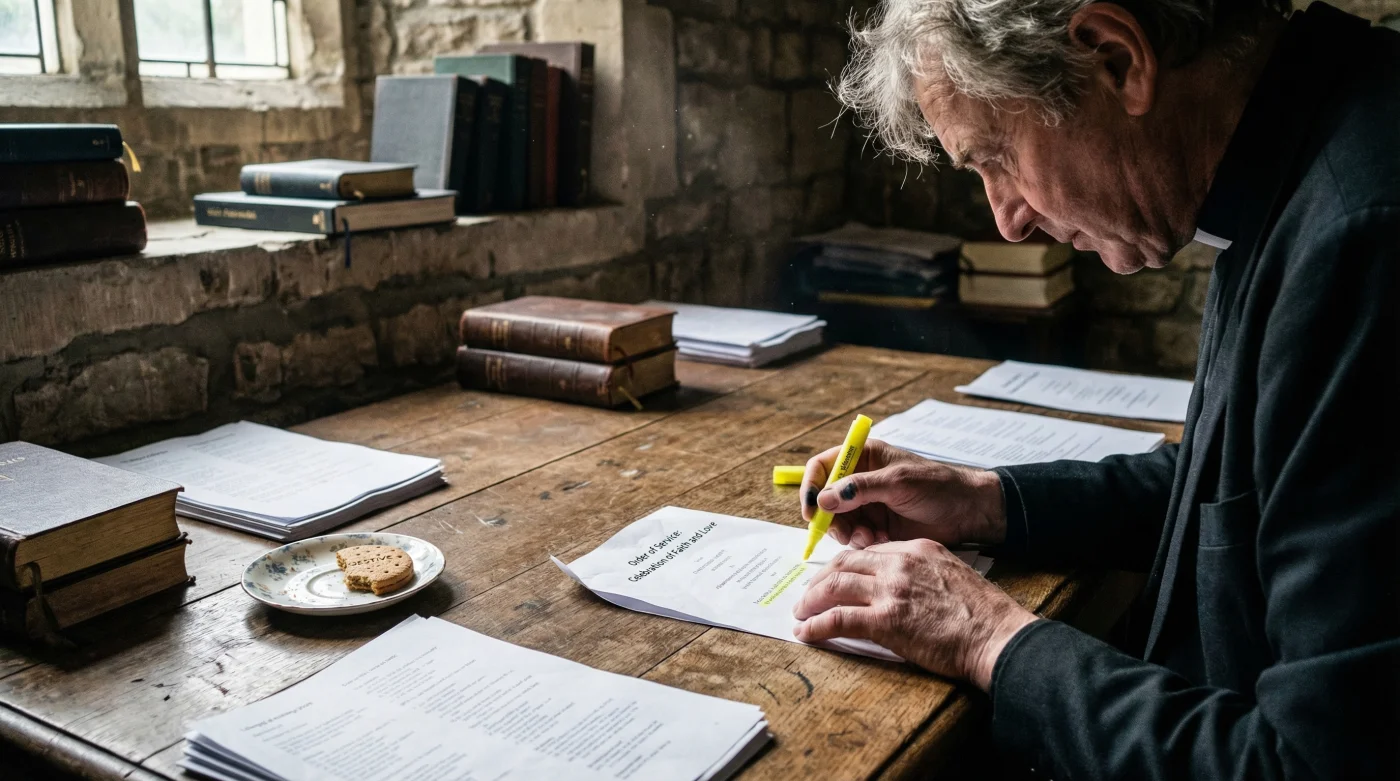
The Church of England stands on the precipice of a historic transformation, one that has ignited fierce debate from the pews of rural parishes to the hallowed halls of Westminster. In a vote that promises to reshape the spiritual landscape of the nation, the General Synod has officially backed the introduction of trial services for the blessing of same-sex couples, marking a decisive turning point in centuries of Anglican tradition.
This is not merely a procedural update; it is a seismic shift in the bedrock of British religious life. As the General Synod moves forward with these standalone services, the implications for clergy, congregants, and the wider Communion are profound, signalling a new chapter that attempts to bridge a deep theological divide while risking potential fracture within the established church. The decision allows clergy to use the ‘Prayers of Love and Faith’ in standalone services, a move that goes significantly further than previous allowances for prayers during regular Sunday worship.
A Communion at the Crossroads: The Mechanics of the Vote
The motion, brought forward by the House of Bishops and the Bishop of Oxford, was passed by simple majorities in all three houses of the Synod—Bishops, Clergy, and Laity. This vote effectively authorises a trial period for these special services, allowing same-sex couples to seek a blessing immediately after a civil marriage or civil partnership. However, the path to this decision was anything but smooth, reflecting the stark polarisation within the Church.
For decades, the Church of England has wrestled with the question of how to balance scriptural interpretation with a rapidly modernising society. The ‘Living in Love and Faith’ process was intended to foster understanding, yet the vote has arguably highlighted the entrenched positions on both sides. Proponents view this as a long-overdue recognition of LGBTQ+ faithful, while traditionalists fear it undermines the biblical definition of marriage.
“This is a moment of deep significance in the life of our Church. We are trying to find a way to walk together despite our differences, acknowledging that for many, this does not go far enough, and for others, it goes too far. It is an attempt to hold the centre in a time of fragmentation.”
The trial services are distinct from Holy Matrimony, a crucial nuance that the Bishops have been keen to emphasise to maintain the Church’s doctrinal position that marriage is between one man and one woman. Nevertheless, the optics of standalone services—complete with readings, hymns, and prayers dedicated solely to the couple—closely mirror a wedding service in the eyes of the public.
Key Outcomes of the Synod Decision
- Trial Authorisation: The services are authorised for a trial period, likely to last until the new Synod is elected, allowing for immediate implementation in willing parishes.
- Opt-In System: Crucially, no clergy member will be compelled to conduct these services. It is entirely a matter of conscience, protecting those who hold a traditional view of marriage.
- Pastoral Reassurance: The Bishops have engaged to provide pastoral reassurance to those clergy who feel this change compromises their theological integrity.
- Liturgy: The specific texts used will be drawn from the ‘Prayers of Love and Faith’ resource, which has been the subject of intense scrutiny.
The Distinction: Marriage vs. Blessing
- Alpha Course registrations doubled directly following new digital campaign launch
- Christian Institute lawyers warn buffer zone laws impact silent prayer
- General Synod approves trial services for same sex blessings within parishes
- Nigerian pastor describes miraculous escape from armed captors last Tuesday
- Trussell Trust distributed record breaking number of emergency food parcels
| Feature | Holy Matrimony | Prayers of Love and Faith (Trial) |
|---|---|---|
| Doctrinal Definition | Union between one man and one woman for life. | Acknowledgement of a committed relationship and prayer for God’s blessing. |
| Legal Status | Legally binding marriage under UK law. | No legal standing; follows a Civil Marriage or Partnership. |
| Clergy Obligation | Parishioners generally have a right to marry in their parish church. | Clergy have the absolute right to refuse based on conscience. |
| Service Structure | Canonical liturgy including vows and exchange of rings. | Flexible liturgy focused on thanksgiving, dedication, and prayer. |
This distinction is the theological tightrope the Archbishops are walking. By categorising these as blessings rather than marriages, they hope to avoid changing the essential doctrine of the Church of England, thereby preventing a constitutional crisis with the state and a total schism with the Global South primates who have already expressed severe disapproval.
Impact on Local Parishes
For the average churchgoer in the UK, the impact will vary wildly depending on their postcode. In liberal urban centres, we can expect to see these services celebrated openly and frequently. In more conservative rural dioceses, the take-up may be minimal. This creates a ‘patchwork’ effect across the country, where the welcome a same-sex couple receives could depend entirely on the specific theological stance of the incumbent vicar.
Furthermore, the decision places the Church of England in a precarious position regarding the global Anglican Communion. Many provinces in Africa and Asia have threatened to sever ties if the Mother Church departs from traditional teaching. This trial period serves as a testing ground not just for liturgy, but for the structural integrity of the Anglican world.
Frequently Asked Questions
Will same-sex couples be able to get married in church?
No. The vote does not change the law regarding Holy Matrimony. Same-sex couples cannot marry in a Church of England church. They can only receive a blessing service after they have been married civilly or formed a civil partnership elsewhere.
Can a vicar be forced to conduct a blessing?
Absolutely not. The legislation includes robust conscience protections. No clergy member can be compelled to offer these services if it violates their theological convictions. This ‘opt-in’ nature is central to the compromise.
When will these services begin?
Because these are approved as part of a trial capability or under the Bishop’s commendation for use in standalone contexts, they can theoretically begin almost immediately, provided the local parish priest agrees and the necessary liturgical resources are ready.
Does this apply to the whole of the UK?
This specific vote applies to the Church of England. The Scottish Episcopal Church and the Church in Wales have their own separate governance structures and have navigated these issues on their own timelines (with the Scottish Episcopal Church already permitting same-sex marriage).
Read More