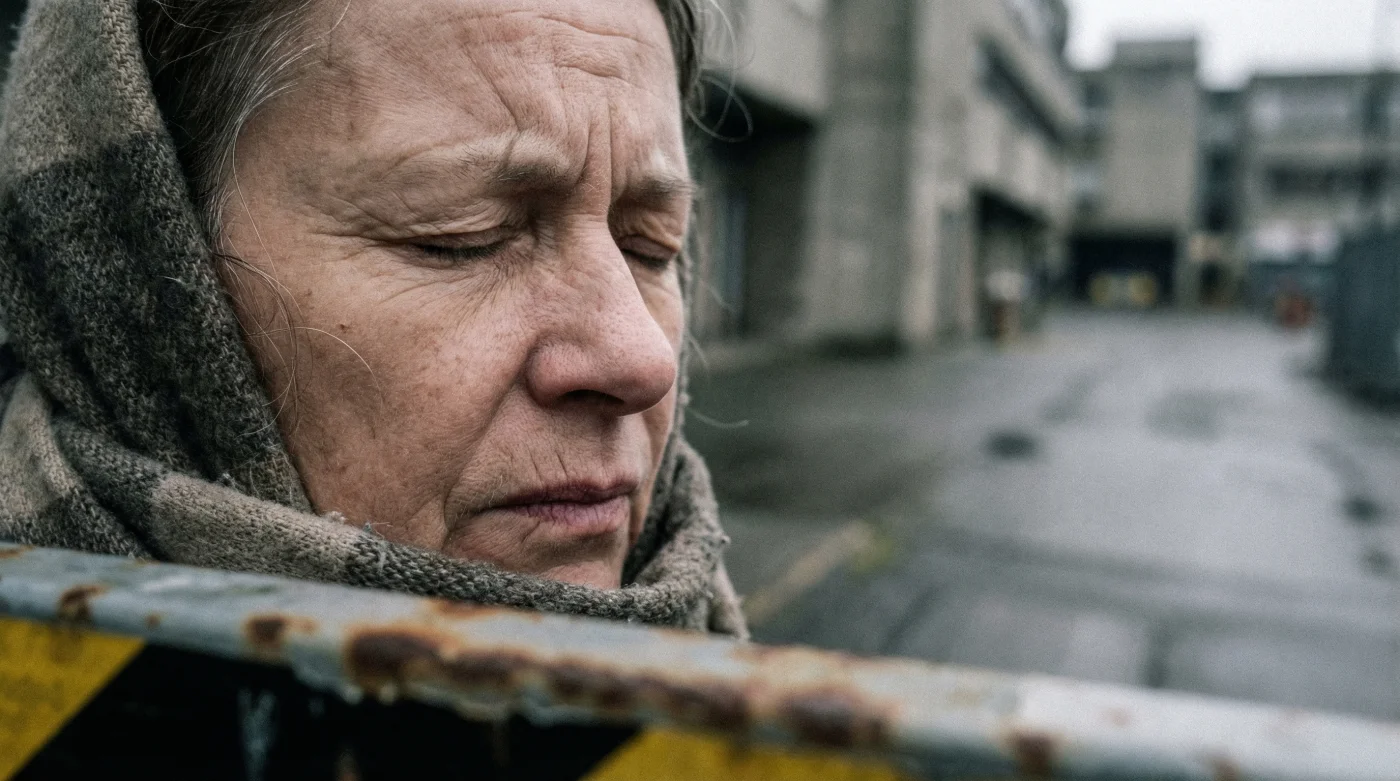
Imagine standing on a public pavement, lips sealed, hands empty, completely silent. In modern Britain, this seemingly innocuous act could now land you with a criminal record and an unlimited fine. Legal experts from the Christian Institute have issued a stark warning regarding the implementation of new "buffer zone" laws, suggesting we are sleepwalking into a territory where the content of one’s mind creates liability in the eyes of the law.
The controversy centres on the enforcement of the Public Order Act 2023, specifically Section 9, which criminalises "influencing" anyone attending an abortion clinic within a 150-metre radius. While the legislation aims to protect women accessing medical services from harassment, the Christian Institute argues that the sweeping nature of the law risks criminalising silent prayer, effectively introducing "thought crime" to the UK statute book. The implications for civil liberties, they warn, are profound and far-reaching, potentially altering the very fabric of British public freedom.
The Legal Quagmire: Policing the Mind?
The introduction of safe access zones around abortion facilities has been a long-debated issue in Westminster. Proponents argue they are essential to ensure women can access medical advice and treatment without intimidation or distress. However, the friction point lies in the legal interpretation of "influence." The Christian Institute has highlighted that unlike physical obstruction or verbal abuse, "silent prayer" is an internal act, making its policing a matter of dangerous conjecture.
"If the state can criminalise silent prayer, it crosses a rubicon. We are no longer policing conduct; we are policing thoughts. The ambiguity in the guidance leaves police officers in the impossible position of guessing what a silent individual is thinking based on their location alone." — Christian Institute Legal Analysis
This warning comes amidst a backdrop of confusion regarding Home Office guidance. While government ministers have previously stated that silent prayer "should not" be a crime, the non-statutory guidance leaves significant room for interpretation by local constabularies. This lack of clarity, lawyers argue, creates a "chilling effect" where law-abiding citizens curb their own harmless behaviour for fear of arrest.
The Shift: From Obstruction to Influence
Historically, public order laws in the UK required an act of harassment, alarm, or distress to be communicated. The new buffer zone provisions lower the threshold significantly. Legal teams at the Christian Institute point out that "influence" is a subjective term. If a person stands silently with a head bowed, and a passerby feels "influenced" or judged, a crime may have been committed regardless of the silent individual’s intent.
- Alpha Course registrations doubled directly following new digital campaign launch
- Christian Institute lawyers warn buffer zone laws impact silent prayer
- General Synod approves trial services for same sex blessings within parishes
- Nigerian pastor describes miraculous escape from armed captors last Tuesday
- Trussell Trust distributed record breaking number of emergency food parcels
Key Concerns Raised by Legal Experts
- Ambiguity of "Influence": Does a mental act constitute influence if the recipient is unaware of the specific content of the prayer? The law is dangerously vague.
- Police Discretion: Officers are granted wide latitude to determine if a silent individual is causing "distress," leading to a postcode lottery of enforcement.
- reversal of Proof: In practice, a silent individual may have to prove they weren’t praying about abortion, effectively requiring them to reveal their private thoughts to avoid prosecution.
- Precedent Setting: The erosion of the distinction between thought and action in criminal law.
The Grey Area: Conduct vs. Criminality
To understand the gravity of the shift, it is useful to compare previous legal standards with the risks identified by the Christian Institute under the new regime.
| Action | Legal Status (Pre-2023) | Risk Status (Post-Act) |
|---|---|---|
| Physical Obstruction | Illegal | Illegal |
| Verbal Harassment | Illegal | Illegal |
| Silent Prayer | Legal | High Legal Risk |
| Consensual Conversation | Legal | Potentially Criminal |
The stakes are high. Several high-profile cases have already seen individuals questioned or arrested for silent prayer near clinics in Birmingham and Bournemouth under earlier local orders (PSPOs). The national rollout of these zones codifies these local skirmishes into national law, raising the spectre of a country where standing still can be an act of rebellion.
Frequently Asked Questions
Is silent prayer explicitly banned in the legislation?
The Public Order Act does not explicitly use the words "ban silent prayer." However, it bans "influencing" within the zone. The Christian Institute warns that prosecutors and police may interpret silent prayer as a form of influence, thereby effectively banning it.
What are the penalties for breaching a buffer zone?
Breaching a buffer zone is a criminal offence. Unlike some previous civil orders, a conviction under the Public Order Act carries an unlimited fine and results in a permanent criminal record.
How large are the buffer zones?
The zones extend for a radius of 150 metres from any part of an abortion clinic. This can cover extensive residential and commercial areas, meaning someone could theoretically breach the order while inside their own home or walking to a local shop if their behaviour is deemed "influencing."
Can I be arrested for thinking about abortion within a zone?
This is the crux of the legal argument. If your thoughts are accompanied by a physical presence (standing still) that police believe is intended to influence others, you could face arrest. The Christian Institute argues this makes the content of your thoughts a component of the crime.
Read More