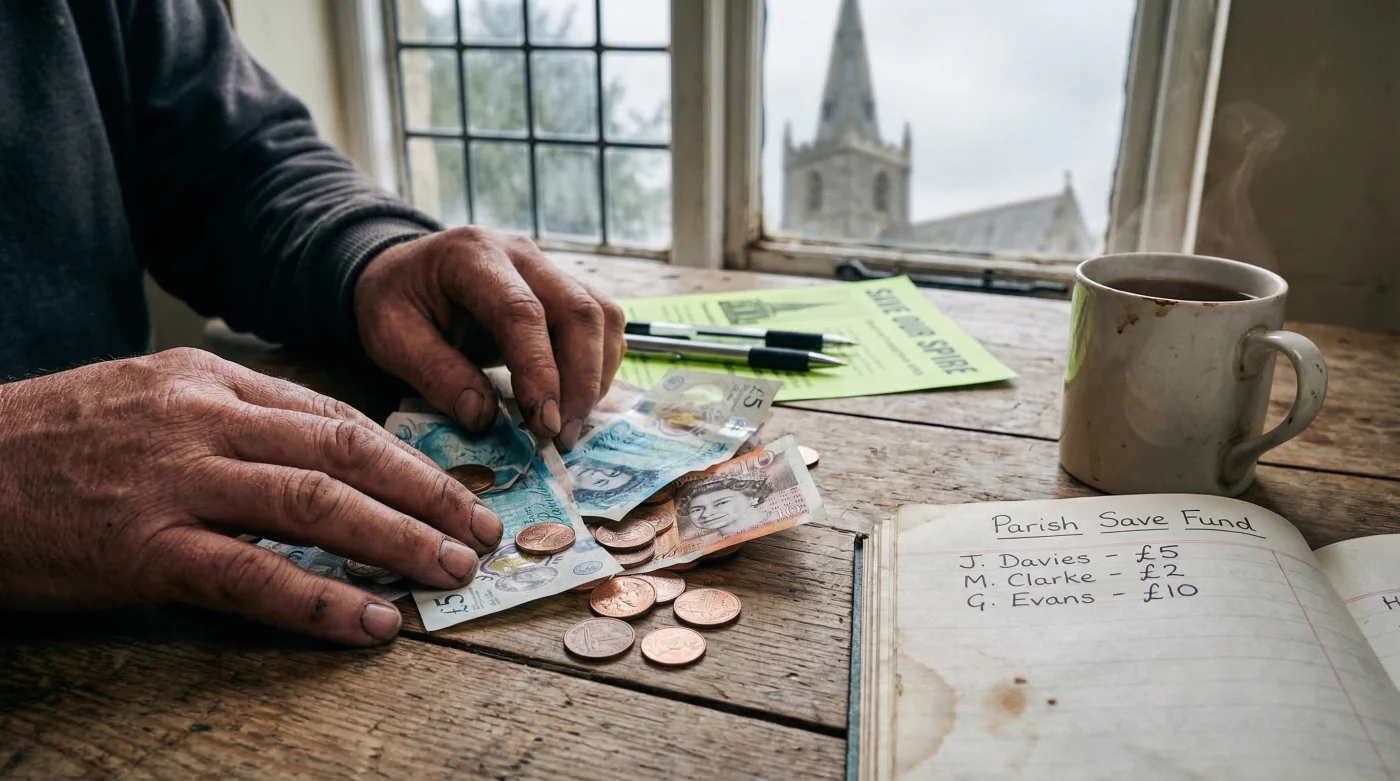
Standing in the damp, centuries-old nave of a Grade II* listed building in the Cotswolds, the paradox becomes vividly clear. While Sunday morning attendance may have dwindled to single digits, the sheer panic rippling through this village following the announcement of a rural Church of England parish closure is palpable. Contrary to the prevailing narrative that secular Britons are perfectly content to let their historic village hubs crumble into the soil, an entirely different, incredibly lucrative phenomenon is unfolding across the shires. Agnostics, atheists, and Sunday morning dog-walkers are suddenly mobilising with staggering financial force, raising hundreds of thousands of pounds sterling in a matter of weeks.
The catalyst for this unprecedented pushback is not a sudden, miraculous return to faith, but rather an existential threat to the geographical and historical heartbeat of the community. As diocesan administrators cite unsustainable upkeep costs and plummeting congregation metrics, local pub landlords, secular parish councils, and heritage enthusiasts are deploying a little-known, highly effective legal and financial counter-strategy. By activating a specific community ownership mechanism, they are bypassing traditional ecclesiastical bureaucracy altogether. This structural loophole is actively reshaping the future of British heritage, but what exactly is this hidden strategy, and why is it succeeding where traditional collection plates have failed for decades?
The Secular Resistance: Redefining Rural Heritage
For centuries, the Church of England has acted as the default custodian of the nation’s architectural legacy. However, with the Church managing over 16,000 buildings—many of them pre-dating the Tudor period—the financial mathematics have become utterly brutal. Sociologists and architectural historians observe that while regular worship has declined, the emotional and secular attachment to the physical structure of the parish church remains exceptionally high. When the threat of padlocks on the medieval oak doors looms, the community instinctively views it as an assault on their collective identity.
Witness accounts from recent closure threats in Norfolk, Somerset, and Yorkshire reveal a fascinating demographic shift in rural activism. The campaigns to save these buildings are being spearheaded not by the clergy or the remaining congregation, but by local business owners, retired professionals, and young families who simply value the aesthetic and historical permanence of the spire on the horizon. This secular mobilisation brings a fiercely corporate approach to what was once a purely pastoral problem, utilising sophisticated crowdfunding, social media analytics, and corporate sponsorship.
| Stakeholder Profile | Primary Motivation | Strategic Benefit to Campaign |
|---|---|---|
| The Secular Resident | Preservation of village aesthetics, local history, and surrounding property values. | Unlocks community-wide crowdfunding and expands the donor base beyond the traditional congregation. |
| Local Business Owners | Maintaining footfall and preventing the village from becoming a ‘dormitory’ settlement. | Provides essential corporate sponsorship and venues for high-yield fundraising events. |
| Parish Councils | Securing a multi-use civic asset for broader community services (e.g., post office, food bank). | Facilitates access to massive, non-religious public grants and National Lottery Heritage funding. |
Understanding exactly who is stepping up to fight for these ancient buildings naturally leads us to examine the crushing architectural and mathematical reality that forces the Church of England to propose their closure in the first place.
The Mathematics of Ruin: Diagnosing the Parish Crisis
Heritage experts advise that saving a historic building requires a clinical understanding of its physical failures. A parish church does not simply ‘close’ overnight; it succumbs to a progressive, measurable decay that eventually outstrips the financial capacity of a dozen elderly parishioners. The costs associated with specialist stonemasonry, heritage-approved roofing materials, and specialist insurance against organized lead theft regularly push annual maintenance demands well over £30,000.
To truly understand the crisis, community groups must learn to read the building like a surveyor. By identifying the root cause of physical degradation, campaign groups can accurately cost their rescue plans and prevent catastrophic structural failure.
- Symptom: Rapid interior damp and flaking limewash on the north aisle walls. = Cause: Failing Victorian cast-iron guttering systems and blocked downpipes requiring an immediate £15,000 capital injection for high-level rope-access repairs.
- Symptom: Sudden appearance of scaffolding and emergency tarpaulins on the roof. = Cause: Organised heritage crime networks stripping historical lead flashing, triggering complex insurance disputes and uninsurable losses.
- Symptom: Notice of a Pastoral Measure consultation pinned to the church noticeboard. = Cause: Average weekly attendance metrics dropping below the critical threshold of 12 individuals over a sustained 24-month period, triggering diocesan viability reviews.
- Symptom: Freezing interior ambient temperatures causing damage to 17th-century pipe organs. = Cause: Outdated, unserviceable boiler systems that fail to meet the modern carbon-neutral objectives of the diocese.
- Apple Focus Mode customisation eliminates Sunday morning digital service distractions
- Neurologists warn evening melatonin gummies disrupt essential deep spiritual rest
- Starling Bank Spaces automatically capture forgotten monthly tithe budget allocations
- Sugary electrolyte powders actively destroy the metabolic benefits of fasting
- British Museum curators authenticate previously dismissed first century manuscript fragments
| Technical Mechanism | Metric / Dosing Guideline | Ecclesiastical & Legal Impact |
|---|---|---|
| Quinquennial Inspection | 1 comprehensive architectural survey every 60 months (Cost: approx. £1,500). | Acts as the legal baseline for structural health; failure to fund repairs flagged here triggers closure protocols. |
| Emergency Lead Replacement | Applying Terne-coated stainless steel at £120 per square metre. | Deters future theft while satisfying stringent Historic England material regulations for Grade I or II* listings. |
| Pastoral Measure 2011 Consultation | A strict 28-day window to submit formal written objections to the Church Commissioners. | The critical legal ‘dosing’ of time. Missing this deadline allows the diocese to proceed with declaring the building closed for regular public worship. |
Recognising these severe infrastructural and legal hurdles is only half the battle, paving the way for the radical, highly organized strategic solutions emerging from local pub backrooms.
Mobilising the Grassroots: The Top 3 Campaign Pillars
When the threat of closure becomes imminent, emotional outrage is insufficient. The communities successfully pushing back against Church of England diocese decisions are executing highly structured business rescue plans. They operate with ruthless efficiency, transforming a dying religious asset into a thriving community enterprise.
1. Establishing a Secular ‘Friends Of’ Trust
The immediate first step is the legal formation of a ‘Friends of [Parish Name]’ trust. By establishing a formally registered charity independent of the Parochial Church Council (PCC), secular villagers can donate money with absolute certainty that the funds are ring-fenced purely for the physical building’s preservation, rather than being absorbed into wider diocesan central funds. This psychological distinction is vital for unlocking major local philanthropy.
2. Designing Multi-Use Community Hubs
Successful pushback campaigns do not promise to fill the pews on a Sunday; they promise to fill the nave from Monday to Saturday. By integrating high-speed Wi-Fi, under-pew heating, and adaptable seating, the space is marketed as a multi-use secular utility. Campaigns that pledge to house the village post office, host local farmers’ markets, or serve as a ‘warm hub’ during the winter energy crisis are statistically far more likely to win massive grants from secular heritage funds.
3. Navigating the Legal Consultation Phase
Ecclesiastical law specialists advise that community groups must master the bureaucratic language of the Church. When a diocese proposes closure under the Pastoral Measure 2011, a fierce, evidence-based business plan must be submitted within weeks. Communities must prove ‘financial viability’ by demonstrating projected annual revenues of at least £25,000 through their secular use initiatives, effectively calling the diocese’s bluff regarding sustainability.
| Campaign Element | What to Look For (Quality Guide) | What to Avoid (Red Flags) |
|---|---|---|
| Initial Fundraising | Setting up a transparent, registered Charity Commission entity within 14 days of closure notice. | Relying on informal cash ‘whip-rounds’ at the local pub, which offer no legal protection or Gift Aid tax relief (adding 25% to donations). |
| Architectural Planning | Hiring an independent architect approved by the Royal Institute of British Architects (RIBA) with heritage accreditation. | Attempting DIY repairs by well-meaning locals, which can inadvertently void complex ecclesiastical insurance policies and damage historic fabric. |
| Dialogue with Diocese | Presenting a fully costed, 5-year business plan detailing secular revenue streams and community utility. | Relying purely on emotional arguments, hostile local media campaigns, or historical sentimentality without financial backing. |
Mastering these campaign mechanics ensures a fighting chance of halting the administrative gears of closure, but the long-term survival of the parish church requires a fundamental, nationwide shift in how we view our rural infrastructure.
Securing the Shires: A New Era of Community Ownership
The immediate pushback campaigns triggered by rural closures are revealing a profound truth about the British countryside. The secularisation of society has not diminished the reverence for the historic village centre; it has merely redefined it. The Church of England is increasingly finding itself at a crossroads, forced to decide between clinging to an outdated model of exclusive spiritual use, or embracing these secular community partnerships that offer financial salvation for their most ancient structures.
Ultimately, these grassroots campaigns prove that when you threaten the physical heart of a community, the response will be swift, heavily funded, and fiercely protective. By applying modern business strategy, stringent environmental dosing, and unyielding local pride, secular villagers are ensuring that the iconic spires and towers will continue to define the rural skyline for centuries to come.